 May 8th, 2026
  admin
admin 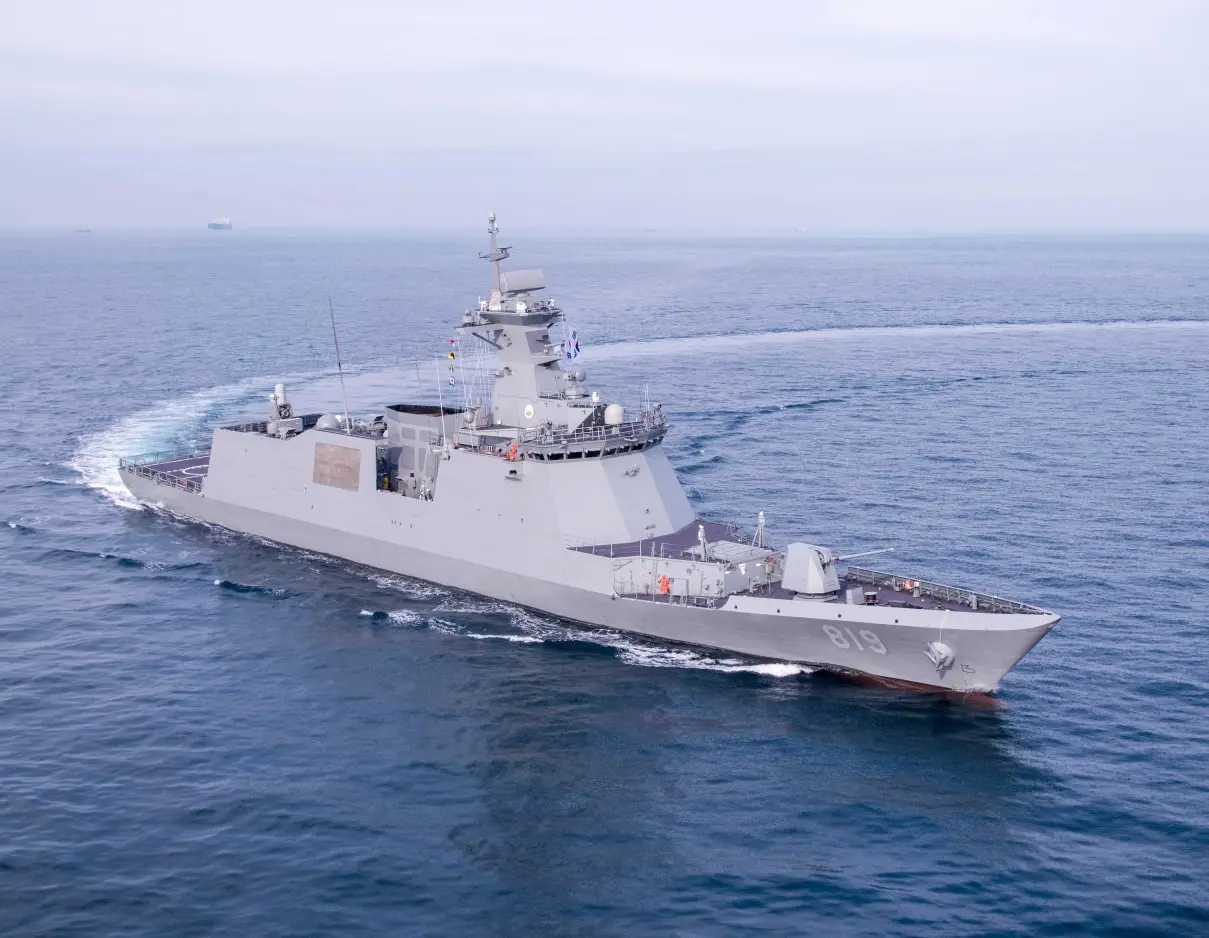
Hanwha a facut publica oferta tehnico-economica pentru programul MLI. Dupa cum se banuia: pret mic per unitate, procent de localizare foarte mare si, per total, impact economic semnificativ.
Si totusi, coreenii n-au fost nici macar intrebati de sanatate. Desi nu exista o explicatie oficiala (si nici n-o sa vedem vreuna), exista destule indicii ca motivul e destul de transparent: prin programul MLI, guvernul roman nu a vrut de fapt sa cumpere MLI-uri, ci urmarea sa “cumpere” un patron pentru falimentarul santier Mangalia.
Rheinmetall au fost selectati direct, probabil pe baza faptului ca germanii se afla intr-un proces de expansiune in domeniul naval. Astfel, la 1 Martie 2026, Rheinmetall a finalizat achizitia Naval Vessels Lürssen (NVL), si acum cateva zile a depus o oferta pentru achizitia santierului din Kiel. Mangalia ar veni in completarea seriei de achizitii astfel incat germanii au fost alesi din oficiu.
Ca o paranteza, ceva ce a fost intotdeauna anuntat in Romania ca o licitatie restransa sau macar o negociere competitiva, s-a transformat pe sest intr-o negociere fara publicare. Publicului i s-a spus mereu ca va exista o negociere cu potentialii furnizori, ceea ce s-a dovedit a fi o minciuna.
Politic, asta se plateste dar cum stam din punct de vedere juridic? Acoperirea oficiala:
Directive 2009/81/EC of the European Parliament and of the Council sets out a legislative framework on the coordination of procurement procedures for the award of contracts in the fields of defence and security, taking into account the security requirements of Member States and the obligations arising from the Treaty. That Directive sets out specific rules applicable in cases of urgency resulting from a crisis, such as shortening periods for the receipt of tenders and the possibility to use the negotiated procedure without prior publication of a contract notice. In order to reinforce the efficiency of the SAFE instrument to address, in a spirit of solidarity, the situation of emergency arising from the evolution of the geopolitical situation, it is necessary that massive investments in the EDTIB are launched as soon as possible.
For that purpose, the award of the contracts based on common procurements involving at least one Member State supported by the financial assistance under the SAFE instrument should be facilitated. Therefore, Member States carrying out common procurements using the assistance provided under the SAFE instrument should be deemed to be in a situation of urgency resulting from a crisis, which justifies the use of a negotiated procedure without publication of a contract notice as provided for in Directive 2009/81/EC. Moreover, in order to safeguard the security interests of the Member States which participate in common procurements supported by the SAFE instrument, it is also necessary to provide for the possibility of opening an existing framework agreement or contract to contracting authorities of Member States that were not originally parties to that agreement, even though the latter had not initially provided for such a possibility, on condition that the prior consent of the undertaking which concluded the framework agreement is obtained.
Regulament SAFE
Acolo unde acoperirea s-ar putea sa schioapate ar fi ajutorul de stat ilegal, pentru o companie falimentara, mascat sub forma unui alt contract. Dar asta e o alta discutie. Paranteza inchisa.
Revenind la seria de achizitii Rheinmetall in domeniul naval, este destul de previzibil cum se va termina. Sintem la inceputul unui ciclu de expansiune care se va termina inevitabil cu o corectie, adusa de realitatile unei piete europene care stagneaza si care nu suporta atatea capacitati de constructii navale. La ce santier va renunta Rheinmetall primul, atunci cand realitatile economice vor dicta reducerea activitatii? Vor inchide unul din santierele din Germania sau pe cel din Romania?
Este foarte posibil ca in 4-5 ani, odata cu livrarea navelor pe care ar fi obligati sa le construiasca partial in Romania, santierul din Mangalia sa ajunga in exact aceeasi situatie.
Interesant e ca Hanwha a achizitionat recent Daewoo Shipbuilding & Marine Engineering – transformata in Hanwha Ocean – societate ce a detinut anterior santierul din Mangalia, inainte de a-l ceda catre Damen.
Ar fi fost posibil ca o oferta a Hanwha Ocean de a prelua (din nou) Mangalia sa faca diferenta in contractul MLI? De data asta cu un plan de afaceri pe termen lung si piata orientata mai mult spre Asia, o zona mai dinamica? Greu de spus.
Mai clara e diferenta intre produsele coreene, cum ar fi fregatele Daegu, si OPV-urile invelite in staniol, adica Multipurpose Modular Patrol Vessels (MMPV) 90 propuse Romaniei de Rheinmetall.
 Posted in
  Tags:
Tags:
Peru
On 16 April 2024, Hyundai Heavy Industries signed a ₩640.6 billion ($463.7 million) deal with SIMA, Peru’s state-run shipyard, to build four naval vessels, including a 3,400-ton frigate based on the Daegu class. The ship will be built at a local Peruvian shipyard under the deal and delivered to the Peruvian Navy in 2030.[15][16] [wiki]
Acuma daca te gandesti la Tetal, OPV-urile alea or sa fie lux. Si ar ajunge sa puna 8x Spike NLOS pe ele.
Ca Daegu class ar putea sa inlocuiasca 111 si OPV-urile alea mari si chele, e alta chestie.
Oferta coreana pt MLI e bine facuta, pacat ca n-au publicat-o inainte. Stai sa vezi acum zeci de mii de oameni iesind in strada pentru coreeni [sarcasm off].
https://thedefensepost.com/2026/05/07/rheinmetall-offer-germany-naval-yard/
German arms maker Rheinmetall said Thursday it had made an offer for a further shipyard as the influential defense giant deepens its push into naval systems.
Rheinmetall had made a non-binding offer to acquire German Naval Yards in the first quarter of the year, it said in a presentation without disclosing the price.
German Naval Yards is currently part of French shipbuilding firm CMN Naval.
In April, Rheinmetall said it would start making cruise missiles for the first time in a joint venture with Dutch firm Destinus.
Rheinmetall last September struck a deal to buy a separate German shipbuilder, Naval Vessels Luerssen (NVL), as part of its push into warship production.
Reporting first-quarter results that saw Rheinmetall include its “Naval Systems” segment for the first time, CEO Armin Papperger said maritime business was a growth area for the group.
https://defence-ua.com/news/rheinmetall_zapustiv_u_seriju_morski_droni_kraken_k3_scout_jaki_mozhna_zbirati_po_1000_odinits_na_rik_i_nathnennja_vochevid_cherpali_v_ukrajini-22643.html
Rheinmetall a declarat că sunt deja pregătiți să producă anual 200 de drone navale Kraken K3 Scout, cu perspectiva de a ajunge la 1.000 pe an, dar prima comandă pentru acestea este destul de mică.
Gigantul german din domeniul apărării Rheinmetall a început producția în masă a dronelor maritime Kraken K3 Scout, care sunt poziționate ca o soluție „disponibilă pe piață” pentru o varietate de sarcini. De exemplu, protejarea infrastructurii critice, monitorizarea, precum și efectuarea de atacuri datorită armelor instalate.
Kraken K3 Scout va fi produs de o societate mixtă între Rheinmetall Naval Systems și compania britanică Kraken Technology, a declarat compania germană.
https://www.profit.ro/povesti-cu-profit/auto-transporturi/ultima-ora-anunt-pentru-romania-gigantul-rheinmetall-care-tocmai-a-lansat-o-oferta-pentru-un-santier-naval-german-transmite-ca-damen-mangalia-este-prea-mare-si-vrea-sa-cumpere-doar-o-mica-parte-22437161
ULTIMA ORĂ Anunț pentru România. Gigantul Rheinmetall, care tocmai a lansat o ofertă pentru un șantier naval german, transmite că Damen Mangalia este “prea mare” și vrea să cumpere doar o mică parte
9 mai 2026, 00:42
Gigantul german Rheinmetall anunță, prin vocea CEO-ului, că este interesat să cumpere doar o participație minoritară la Șantierul Damen Mangalia, recent intrat în faliment, argumentând că șantierul românesc este “prea mare” pentru necesarul grupului. Compania tocmai a depus o ofertă neangajantă pentru achiziția celui de-al doilea șantier naval în Germania.
…….
Țeapă în stil nemțesc
Bre, un demiurg aflat in viata si-n trecere prin Statul imbecilistanez o spus foarte recent asta:
“România a fost de multe ori slabă în interiorul Uniunii Europene, în discuțiile care au avut loc acolo. România nu și-a apărat de multe ori în mod coerent obiectivele, pentru că, din nou, e politică, nu este cenaclu. În interiorul Uniunii Europene, țările europene își promovează interesele naționale”.
Cacam asa s-o sintetizat totul, inclusiv cu sAfE.
Coreenii ai’ buni n-or avut noroc, iar noi avuseram iarasi si again “ghinion” 😀
Cu toate acestea, s-or cam saturat si ei, iar dupa LIG Next1, or cam aratat cartile de joc cu care s-o ofertat.
Iar noi … cine n-are noroc la joc, are in dragoste … sau parca asa era o replica mai veche dintr-un film celebru.
Sau merg versurile lui Bolintineanu
Soarta noastră fuse cruda asta data
Mica mea oștire fuge sfărâmată
I-am asteptat pe nemti multi ani, dar nu in halu asta, pt ca asta e imaginea produsa, a unor tipi cu agenda ascunsa, unsurosi, neseriosi.
Cel putin Paper ala al lor, guru care ii cheama la ordin pe slujbasii de la noi din guvern.
Nu suntem macar vreo Belgie la capitolul lipsa complexe inferioritate in politica, nu mai spun ca ai nostri deschid usa cu fruntea cand ii cheama la raport vreun ajutor de bagator de seama european, nu e bun nici tupeul stil greci, dar totusi e mult prea mult servilism de portarei, e generalizata starea.
Macar puteau sa negocieze si cu sud-coreenii sa existe presiunea concurentei pt nemti, ca sa imbunatateasca oferta.
Nici atata lucru, un minim in negocieri -alternativa- nu au facut retardatii, in frunte cu bolundu-sef.
Fac toti pe zmeii prin batatura si cum ies afara se arunca sa pupe primu papuc.
Si teapa asta e chiar noua, sa ajungem sa luam MLIuri facute probabil in alta parte (poate chiar la unguri), ca sa vindem…un santier naval falimentar, care va fi folosit stil wham bam dupa cum arata situatia.
Un santier in care nemtii, daca vin, nu vin singuri (deci nu-s foarte interesati din moment ce vor sa imparta riscu), ci cu o mare companie logistica, MSC, deci transport containere, ceea ce pune si un semn de intrebare daca nu vor folosi santieru si la altceva, nush ce scrie prin conditii.
Fac aia navele si dupa ramane hubu logistic, expeditie containere, sper ca e specificat pe undeva ca nu pot schimba destinatia.
Hai să vedem ce spun susținătorii lui Miruță:
https://www.g4media.ro/cum-a-devenit-safe-tinta-suveranistilor-in-mediul-online-extremistii-din-aur-sustin-ca-romania-umple-buzunarele-francezilor-si-germanilor-prin-proiecte-despre-care.html
Cum a devenit SAFE ținta ”suveraniștilor” în mediul online: Extremiștii din AUR susțin că România „umple buzunarele francezilor și germanilor” prin proiecte despre care MApN afirmă că vor aduce miliarde de euro în industria de apărare a României
De când Ministerul Apărării a anunțat că 15 proiecte din pachetul de înzestrare a Armatei de 8,33 miliarde de euro finanțat prin programul SAFE au primit aprobarea Parlamentului, în spațiul online “suveranist” a început să circule intens narațiunea că România „umple buzunarele francezilor și germanilor” și își abandonează propria industrie de apărare.
Mesajul, promovat de politicieni AUR și amplificat de portavocile partidului, a prins rapid pe Facebook, cu postări bazate pe omisiuni importante și limbaj manipulator care au strâns zeci de mii de vizionări și reacții în baza unor omisiuni importante și a limbajului manipulator.
Unul dintre principalii promotori ai acestei narațiuni este Petrișor Peiu, liderul grupului AUR din Senat, care a afirmat miercuri că “polonezii, francezii, cehii și italienii au luat împrumuturi ieftine de la UE pentru a-și finanța propria industrie, în vreme ce România guvernului Bolojan ia împrumuturi de la UE pentru a finanța industria altor state”.
Dincolo de criticile despre modul în care au fost atribuite contractele, care într-adevăr au fost câștigate de firme străine, argumentul lui Peiu se bazează pe ideea că România finanțează cu banii din SAFE doar industriile altor state.
El nu menționează faptul că, deși cele mai mari proiecte sunt într-adevăr coordonate de companii precum gigantul german Rheinmetall, o pondere semnificativă a producției de armament din programele SAFE va rămâne în România, după cum a afirmat Ministerul Apărării în mai multe rânduri în ultimele luni.
“Vă pot spune că un procent de 60% din contractele care se vor desfășura prin SAFE vor avea localizare, producție pe teritoriul național, ceea ce nu a existat înainte”, susținea, la mijlocul lunii martie, ministrul Radu Miruță, citat de Economedia.
În speță similară, în timpul conferinței de presă de marți în care a prezentat lista cu proiecte, Miruță a explicat și unele dintre limitările care au dus la această situație, iar cel mai important exemplu a fost cel al celor 232 de mașini de luptă Lynx pentru care guvernul a încheiat un contract cu firma Rheinmetall, dar cu un grad de localizare al producției de 40% cu Automecanica Mediaș – întrebat despre acest procentaj, Miruță a explicat că proporția de 60% a producției care va avea loc în afara țării îl reprezintă turelele acestor mașini de luptă, pentru care nu există capacitate de producție în țară.
Aiurea , nu a lipsit nimic din oferta coreeana , este o simpla decizie politica . Decizie care are un pret in viitor , si acest pret nu va fi mic … se stie deja .
Lürssen au fost unii dintre cei mai buni din galaxia cunoscuta , dar generatia aia este acum pamant de flori sau praf de stele .
https://en.wikipedia.org/wiki/L%C3%BCrssen_effect
Efectul cu pricina :
https://www.modelwarships.com/reviews/ships/dkm/s-boat/s-100-72/72-S-100-p2.htm#lurssen-effect
decizia probabil a fost 60% politica si restul economica. Dar sa nu uitam cine ne da banii pe SAFE ( germania si franta in marea parte). In caz de razboi de la cine vom primii munitie si suport tehnic(sigur nu de la cei din coreea buna). Sa fim un pic si pragmatici. Ca unele puncte de la Redback sunt mai bune vs Lynx sunt deacord dar RHMN face fabrica de munitie, fabrica de pulberi, ei modernizeaza Oerlikon GDF 103. Deocamdata ei sunt partenerul principal al Mapn pe parte industriala. Cate investitii au facut americanii in RO dupa ce am cumparat de la ei radare, avioane, tancuri, transportoare blindate, etc..?
Este o neintelegere, Germania si Franta NU ne dau banii pentru SAFE. Comisia Europeana emite bonuri/titluri care sint vandute pe piata de capital. Nici o tangenta cu Germania sau Franta, e “decat” un mit.
Admin,speculam speculatii.Problema fundamentala cu Lynx,tehnico-tactico-economico este cu turela.Fritzii zic cu manuta lor ca au integrat UT30Mk2,de la ovreii nostri.Aia de pe P5.
Ministretul nostru zice ca nu se poate face Lance 2 la noi,ceea ce e un adevar ce acopera o minciuna.Pt ca ai nostri zic ca au renuntat la turela,pt ca ar fi zis Reichmetall ca nu o pot integra in timp util.
Raspunsul corect pt noi era,”ok,spor la integrat,aveti pana in 2030 sa faceti carcase si sa integrati turele,bafta baieti”.
Amu,dupe cum stim,cica Lance 2 vine de la antipozi.F…-i Europa si lantul logistic.
Ca din jdemii de alte repere or sa faca la noi o parte,parte le aduc de la cehi,italieni sau chiar unguri nu ar fi dpmdv asa o mare drama.La razboi,daca se lungeste aceste fenomen mai mult de cateva saptamani/luni oricum o sa arate si NATO ca armata rusa,o mare improvizatie.
Partea buna e cu fabrica de munitiuni,asta e za shit.Pt ca imi permit sa contrazic ilustri ghenerali care ziceau ca 30/35mm sunt in lipsa de ceva mai bun pe parte de C-UAS.Niste fraieri,dpmdv,pt ca daca ai tunuri care sa le traga,inclusic alea de pe P5 sau Lynx se dau jos dronele cercetas,care fac ca sute de mii de drone FPV sa fie degeaba.Iar Shahizii,inlusiv aia rapizi,is prada usoara pt alde GDF009 sau Skynex.
Ca nu-s singura chestie pe parte de cel mai important aspect al razbelului modern,adica lupta anti-drone ar fi perfect adevarat,dar sunt parte esentiala in ”ecosistemul” C-UAS.
@Mihais: “Ministretul nostru zice ca nu se poate face Lance 2 la noi,ceea ce e un adevar ce acopera o minciuna.”
Pare mai degraba o minciuna care sa acopere o alta minciuna, daca e sa analizam pe text, sau o nefacuta, daca e sa speculam speculatii. Romania poate produce UT30MK2 dar nu Lance 2? Romania poate produce “aproape” 100% din restul blindatului dar nu Lance 2? Ca la ambele (sasiu/turela) trebuie certificare, ca sa fim intelesi. Chiar o fi Lance 2 un OZN, tabla ai e din unobtanium, optica de pe ea vine de pe Hubble direct, electrica e “nuculara”… Ceva da cu multe virgule. Povestea asta trista n-o se se termina bine, nici ca program de dotare si nici pentru cei implicati, decat zic.
Admin,nu stiu ce o fi cu facutul de Lance2 ,o iau de buna cum o zic astia.O fi nu o fi,nu stiu.Nu e vb doar de facut,e vb de facut in timp util.Problema de fond e alta.
Nu avem un studiu care sa zica Lance>UT 30 sau invers.Daca ar zice populimii si de ce aproape ca m-as simti cetatean ioropean,cu drepturi.Orice are parti bune,parti slabe.Da’ era si doar o concluzie buna,pt inceput.
Avem o preferinta initiala a armiei pt UT30Mk2.Avem o razgandeala politica,la presiunile evidente ale RM.
Nu cred ca se va pati ceva din circul asta,daca te gandesti la bulau pt semnatari.Vor spune ca nu se putea integra Elbit nicicum in timp util,vor veni cu un maldar de hartii stampilate de RM ca nu si nu.
Ca program de dotare ,daca se face,nu e catastrofic.E doar suboptim.Mizeria asta pare totusi dpdv mecanic o masina buna,electronica si protectia sunt decente,APS e bun,FCS e top,munitii top,rachete top,spatiu sa atarni rucsaci si sa dormi in masina garla.Se fac totusi chestii importante la noi.
Mihais, tu esti in matrixu in care vezi doar turele si drone, ok, bine ca le vezi, dar un mli nu are DOAR rolu de a se APARA de drone.
E bun entuziasmu cu dronele, e hype ok, dar hai sa nu uitam big picture, ce rol are MLI-ul, impotriva CUI lupta, ca tu vezi DOAR drone peste tot, nu mai exista altceva, duci simplificarea extrema spre clisee.
Aveai aparare AA si pe mli si tanc, btw, de tab nu mai vb, in armata aia comunista, ca existau rachete AT pe elicoptere, faceau si alea deranj foarte mare, desi erau scumpe si nu existau cu miile, ca dronele de acum.
Turela nu trage, tunu trage, aia iar uiti, diferentele la putere de foc din armamentul principal rezida si nici alea nu mai sunt stil mitraliera 14,5 vs tun de 20 mm, cand chiar contau.
Fara munitie produsa evident ca se rupe filmu, dar partea nasoala e ca munitia moderna e mult mai “desteapta” si la noi partea asta nu a fost vreodata prioritizata, nu am produs vreodata calitate, ar cam fi timpul sa devina si asta una dintre prioritati, ca sa punem punct epocii “merge si-asa”.
Turela e cuiu lu Pepelea, asta e fenta clasica, fumigena pe care a fost conceputa agenda discutiilor, ca sa nu se comenteze altceva.
Reformulează astfel.Daca nu se poate apăra de drone e ca și cum nu ar avea blindaj.
Zi tu când au apărut la ce problema tactica ofereau o soluție,de ce blindajul lor era cum era și găsești și răspunsul la chestiunea dronelor.
Echivalentul mitralierei AA este evident tot o mitralieră,doar că pusă pe o statie robotică,activa 24/7.Plus APS optimizat pt drone.
Altceva ce? Că diferă tunul?Pai da,nu e la fel cu P5,e o țigănie,dar e gestionabila.
Că motoare,că senile sau mai știu eu ce.Mai important e altceva,să facă și niște tancuri pt MLI.Preferabil tot Lynx,dar cu tun de 105 sau 120mm.Si să schimbe complet organizarea ,sa nu mai fie câte 3 mașini plt,să fie 4.4 mașini în plt.Si să facă cp mixe,MLI,TV și C-UAS,apte să lupte în oarece izolare. Adică să reformeze si trupele de tancuri,că săracii sunt vreo 2 războaie in urma cu organizarea.
Mihais, btw, in anii 70 Marderul avea RWS. Asta pe langa turela inovativa.
RWSul proteja partea din spate a mliului, in special cand ieseau iepurasii din el. Deci nu rol AA. Si avea doar periscop pt ochire pe 180, nici vb de camera TV. Dar se pune si asta? E suficient de remote?
La capitolul protectie un blindat a avut tarziu APS, vezi sovieticii si IDF, tot prin anii 70, pe restu ii cam durea la banana de fineturi de-astea, ori nu stiau, ori nu-i preocupa pt ca mizau pe blindaj superior.
Acum, e mult mai accesibil ca tehnologie si pret, e pacat sa n-ai, nu mai e un moft.
Cu tun de 105 pe mli, da, ar fi o treaba, dar nu e suficienta deschidere la tanchisti pt asa ceva. Pt ca le iei din felia lor, sunt foarte conservatori si incapatanati, chiar obtuzi cateodata.
Nici Strykerele nu prea au rupt gura targului, cum anticipau unii, dar pt cavalerie blindata, stil englez sau francez, un Scorpion sau un AMX 10 au fost idei foarte bune, ca tot era adminu cu reinfiintarea cavaleriei.
Nu avem experienta in asa ceva, deci nu prea sunt entuziasti din ce stiu, ca mai atingeam si eu subiectu in diverse discutii cu dinozaurii cc, macar sa-i enervez :)), cand am primit TABC-79 la VM nu erau deloc bucurosi de noua dotare, din contra.